School of Biological Sciences
Department Name:
Department of Biotechnology
Course Title:
Biotechnology
Programme Levels:
- Undergraduate (UG)
- Postgraduate (PG)
- M.Phil
- Ph.D
Course Duration:
- B.Sc Biotechnology – 3 Years
- M.Sc Biotechnology – 2 Years
- M.Phil Biotechnology – As per University norms
- Ph.D Biotechnology – As per University norms
Biotechnology is the combination of biology and technology used to improve biological systems for human and industrial welfare. It plays a key role in developing solutions for healthcare, agriculture, environment, and energy.
At CMS College of Science and Commerce, the Biotechnology program provides strong theoretical knowledge along with practical exposure. Students gain hands-on experience in laboratory techniques and research-based learning.
The course covers areas like molecular biology, genetics, microbial biotechnology, plant and animal biotechnology, drug discovery, and environmental sustainability. It also focuses on solving global challenges such as diseases, climate change, and food security.
- DBT-STAR College Scheme supported department
- State-of-the-art biotechnology laboratories
- Industry-oriented and research-focused curriculum
- Objective Based Education (OBE) system
- Strong mentoring and career guidance support
- Job-ready certification programs
- Hands-on research training through industry collaborations
Students will build a strong foundation in:
- Cell Biology and Genetics
- Molecular Biology
- Microbial, Plant & Animal Biotechnology
- Bioprocess Technology
- rDNA Technology & Genetic Engineering
- Immunology and Human Physiology
- Drug Discovery and Nutrition
- Environmental Sustainability
The course also focuses on:
- Laboratory techniques
- Data analysis
- Research methodology
- Problem-solving and critical thinking
- Hands-on training in advanced biotechnological techniques
- Objective Based Education (OBE) curriculum
- Research-oriented learning (Journal Club activities)
- Training in microbial, plant tissue culture & animal cell lines
- Exposure to bio-industries and research institutes
1. HACCP in Food Industry (Level-2)
- Duration: 30 hours (2 credits)
- Skills: Food safety management, quality control
- Certification: HACCP Level-2
2. Advanced Diploma in Medical Lab Technology
- Duration: 1 year
- Skills: Clinical diagnostics, lab procedures
- Certificate in Clinical Laboratory Technology
- Certificate Course in Vermi Composting (UG)
- Certificate Course in Organic Composting (PG)
Job Roles:
- Research Assistant / Associate / Scientist
- Quality Control & Quality Assurance Specialist
- Clinical Research Associate
- Biomedical Scientist
- Forensic Scientist
- Academician / Professor
- Medical Coding & Transcription Specialist
- Embryologist / IVF Specialist
Industries:
- Pharmaceutical & Biotechnology companies
- Diagnostic laboratories
- Food & Dairy industries
- Research institutes (IISc, NCBS, etc.)
- Healthcare & hospitals
- ITES & Bioinformatics companies
Higher Studies:
- M.Sc / M.Phil / Ph.D in Biotechnology
- Research Fellowships (JRF / SRF)
- Specialized certifications
This course is ideal for students interested in life sciences, research, healthcare, and biotechnology. It is suitable for those who enjoy laboratory work, problem-solving, and understanding biological systems.
Students aiming for careers in research, medicine, food safety, or academia will benefit greatly from this program.
- DBT-STAR recognized Biotechnology Laboratory
- UV/Visible Spectrophotometer
- Gel Documentation System
- Deep Freezers (-20°C & -86°C)
- Lab Scale Fermentor
- HPLC System
- Lyophilizer
- Orbital Shakers
- CO₂ Incubator
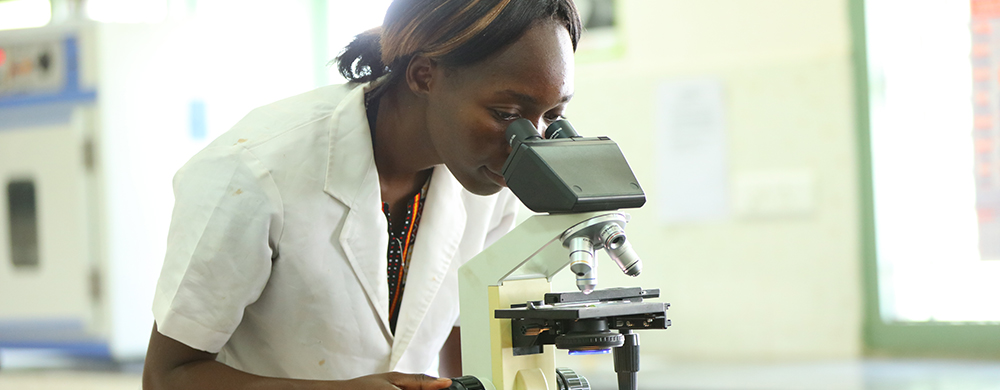
- Microscopes with digital camera
- UV Transilluminator
- Well-equipped research labs
- Library with bioscience resources
- Industry-oriented training
- Internships in biotech and diagnostic sectors
- Industry visits and guest lectures
- Workshops by experts
- Strong placement support
Major Recruiters:
Biocon, Cipla, Novartis, Dr. Reddy’s, Thermo Fisher, Infosys, TCS, Wipro, Accenture, and more.
- Student associations like Bio Nexus & Eco Club
- Science exhibitions and workshops
- Personality development programs
- Environmental and social initiatives
- Strong alumni network in research and industry
Department Name:
Department of Biochemistry
Course Title:
Biochemistry
Programme Levels:
- Undergraduate (UG)
- Postgraduate (PG)
- M.Phil
- Ph.D
Course Duration:
- B.Sc Biochemistry – 3 Years
- M.Sc Biochemistry – 2 Years
- M.Phil Biochemistry – As per University norms
- Ph.D Biochemistry – As per University norms
Biochemistry is a modern bioscience that studies the molecular basis of life. It connects biology, chemistry, and medicine to help understand how living systems function at the cellular and molecular level.
At CMS College of Science and Commerce, the program provides strong theoretical knowledge along with extensive practical exposure. Students are trained in laboratory techniques and research-oriented learning.
The course also focuses on areas like disease mechanisms, clinical diagnostics, drug discovery, nutrition, agriculture, and environmental sustainability. It plays a vital role in addressing global challenges such as emerging diseases and climate change.
- DBT-STAR College Scheme supported department
- State-of-the-art biochemistry laboratories
- Industry-oriented and research-focused curriculum
- Strong mentoring and career guidance system
- Job-ready certification and training programs
- Hands-on research training with reputed institutes
- Exposure to clinical, diagnostic, and industrial environments
Students will gain knowledge in:
- Molecular Biology
- Enzymology
- Metabolism
- Clinical Biochemistry
- Immunology
- Biotechnology
- Analytical Biochemistry
The course also focuses on:
- Biochemical techniques
- Laboratory diagnostics
- Data analysis
- Research methodology
- Problem-solving and critical thinking
- Hands-on training in advanced biochemical techniques
- Research-oriented learning (Journal Club activities)
- Objective Based Education (OBE) curriculum
- Clinical and medical laboratory training
- Exposure to bio-industries and research institutes
1. HACCP in Food Industry (Level-2)
- Duration: 30 hours (2 credits)
- Skills: Food safety, quality control
- Certification: HACCP Level-2
2. Advanced Diploma in Medical Lab Technology
- Duration: 1 year
- Skills: Clinical diagnostics, lab procedures
- Certificate in Clinical Laboratory Technology
- Advanced Diploma in Medical Lab Technology (NCVTE Approved)
- Certificate Course in Herbal Technology (UG)
Job Roles:
- Clinical Biochemist
- Medical Laboratory Scientist
- Quality Control / Quality Assurance Specialist
- Research Associate
- Analytical Scientist
- Clinical Research Associate
- Forensic Scientist
- Biomedical Scientist
- Bioinformatics / Data Analyst
- Academician / Professor
Industries:
- Pharmaceutical & Biotechnology industries
- Clinical & diagnostic laboratories
- Dairy & food industries
- Research institutes (IISc, NCBS, etc.)
- Healthcare & hospitals
- IT & bioinformatics companies
Higher Studies:
- M.Sc / M.Phil / Ph.D in Biochemistry
- Research fellowships
- Specialized certifications
This course is ideal for students interested in life sciences, healthcare, research, diagnostics, pharmaceuticals, and biotechnology.
It is suitable for learners who enjoy laboratory work, analytical thinking, and problem-solving. Students aiming for careers in research, medicine, food safety, or higher education will benefit greatly.
- DBT-STAR recognized Biochemistry Laboratory
- Auto Analyzer
- ELISA Reader
- Rotary Vacuum Evaporator
- Enzyme Kinetics Module
- Well-equipped research & teaching labs
- Library with bioscience resources
- Industry-oriented training
- Internships in clinical & bio-industries
- Industry visits and guest lectures
- Workshops by experts
- Strong placement support
Major Recruiters:
Biocon, Cipla, Thermo Fisher, Infosys, TCS, Wipro, Accenture, IISc, NCBS, and more.
- Student associations (Bio Nexus, Eco Club, Journal Club)
- Science exhibitions and workshops
- Personality development programs
- Environmental and social initiatives
- Strong alumni network
Department Name:
Department of Microbiology
Course Title:
- B.Sc Microbiology
- M.Sc Microbiology
- M.Sc Applied Microbiology
- Ph.D Microbiology
Programme Levels:
- Undergraduate (UG)
- Postgraduate (PG)
- Doctor of Philosophy (Ph.D)
Course Duration:
- UG – 3 Years
- PG – 2 Years
- Ph.D – 4–5 Years
The Department of Microbiology focuses on excellence in teaching, research, and community engagement in microbial sciences. It provides students with strong conceptual knowledge of microorganisms and their applications in healthcare, industry, agriculture, and environmental sustainability.
The program combines theoretical learning with hands-on laboratory training to develop analytical thinking, technical skills, and a research-oriented mindset. Students are trained to apply microbiological knowledge in real-world scenarios.
The department also offers a research-focused Ph.D program aimed at advancing knowledge in microbial genetics, virology, and immunology.
- Strong academic foundation
- Hands-on laboratory training
- Experienced and supportive faculty
- Career-focused learning approach
- Research and skill development opportunities
- Holistic student development
Core Learning Areas:
- Microbial identification and diversity
- Laboratory techniques and culturing methods
- Microbial metabolism and environmental adaptation
- Disease resistance and vaccine development
- Diagnostic microbiology and infection control
- Antimicrobial testing and pathogen identification
Applications:
- Healthcare and medicine
- Pharmaceutical and vaccine industries
- Agriculture and environmental science
- Food and dairy industries
- Research and development sectors
- Molecular diagnostics and advanced techniques
- Medical microbiology and diagnostics
- Industrial microbiology & fermentation technology
- Environmental and agricultural microbiology
- Pharmaceutical microbiology
- Food and dairy microbiology
- Research methodology and analytical techniques
HACCP in Food Industry (Level I & II)
- Duration: 2 weeks
- Skills: Hazard analysis, food safety management
- Learn: Implementing HACCP plans & quality control
- Biofertilizer Production
- Algal Technology
- Mushroom Cultivation
These programs provide practical, entrepreneurial, and industry-relevant skills for agriculture and biotechnology sectors.
Job Roles:
- Clinical Microbiologist
- Medical Laboratory Technologist
- Infection Control Officer
- Diagnostic Laboratory Analyst
- Quality Control / Assurance Analyst
- Research Assistant / R&D Associate
- Lecturer / Assistant Professor
- Food Safety Analyst
- Environmental Microbiologist
- Industrial Microbiology Technician
Industries:
- Healthcare & hospitals
- Pharmaceutical & biotech companies
- Food & dairy industries
- Environmental agencies
- Research institutions
- Public health laboratories
Higher Studies:
- M.Sc / Ph.D in Microbiology or allied sciences
- Clinical research programs
- Regulatory and scientific careers
This course is ideal for students curious about microorganisms and their impact on health, environment, and industry.
It is best suited for learners who enjoy scientific exploration, laboratory work, and solving real-world problems using microbiology.
Core Equipment:
- Autoclaves, pH meters, water baths
- Analytical balances, magnetic stirrers
Laboratory Facilities:
- Laminar air flow
- CO₂ & BOD incubators
- Culture and sterilization units
Advanced Tools:
- PCR machines
- Spectrophotometers
- ELISA readers
- HPLC systems
Microscopy:
- Light, inverted & phase-contrast microscopes
Safety & Storage:
- Biosafety cabinets
- Cold storage freezers
- Strong industry connections with healthcare, pharma, biotech & food sectors
- Internship opportunities in labs and industries
- Industry visits, workshops, and expert lectures
- Hands-on projects and dissertation work
- Participation in conferences and competitions
- DBT Star College Scheme recognized department
- Strong alumni network in research and industry
- Workshops, seminars, and outreach programs
- Student-led clubs and microbiology events
- Community awareness and scientific initiatives
- Mentorship and career guidance support
Dr. S. Priscilla Helen Christy
M.Sc., M. Phil., PGDBI., Ph.D.,
HOD, Assistant Professor , Biotechnology
Ms. K. Ramya
M.Sc., M. Phil.,
Assistant Professor, Biotechnology
Dr. D. Latha
M.Sc, M.Phil, PGDBI, Ph.D.,
Associate Professor, Microbiology
Dr. M. Nithya Devi, M.Sc,
M.Phil, MBA, B.Ed, Ph.D,
Ph.D., Ph.D.,
Assistant Professor, Biochemistry
Mr. J. Jayaramjayaraj K.,
M.Sc., (Ph.D)
Assistant Professor, Biochemistry
Dr. V. Nandhini
M.Sc., M. Phil., PGDBI., Ph.D.,
Associate Professor and Course Coordinator, Biochemistry
Dr. Anubhama K.V.
M.Sc., Ph.D., PGDBI.,
Assistant Professor,
Biochemistry
Mr. V.M.M. Deepak
M.Sc., M.D (ACU)., (Ph.D)
Assistant Professor, Biotechnology
Dr. G. Suja
M.Sc., M.Phil., Ph.D.,
Assistant Professor, Biotechnology
Mrs. Vidhya Ashokraj, M.Sc.,
(Ph.D)
Assistant Professor, Microbiology
Dr. S. Shanthipriya
M.Sc., M.Phil., Ph.D.,
Associate Professor and Course Coordinator, Microbiology
Dr. V. Geetha
M.Sc., M.Phil. Ph.D.,
HOD,Associate Professor,
Microbiology
Dr. M. Sathya
M.Sc., M.Phil., Ph.D.,HOD,Associate Professor, Biochemistry
Dr. G. Akilandeswari., M.Sc.,
M.Phil., Ph.D.,
Assistant Professor,
Biochemistry
Dr. R. Premalatha, M.Sc., M.Phil, B.Ed, Ph.D, Assistant Professor, Microbiology