- Examinations
- Admissions
- PCS
- IQAC
- Mandatory
- UGC 12-B
- ANNUAL REPORT 24-25
- ADMISSION GUIDELINES
- EXPENDITURE AND INCOME STATEMENT
- TELEPHONE DIRECTORY
- ICC
- GENDER EQUITY
- ANTI-RAGGING
- GRIEVANCE REDRESSAL CELL
- FOR DISABLED LIFT AND RAMP FACILITY
- ADMISSION REFUND POLICY
- AISHIE
- EXTERNAL AUDIT REPORT
- ACADEMIC CALENDAR
- WEEK
- CODE OF CONDUCT
- PROGRAMME OUTCOME
- INSTITUTIONAL PERSPECTIVE PLAN
- STATUTORY BODIES
- Cells and Clubs
- Public Self Disclosure
- RTI Act
- NIRF
Department of Digital and Cyber Forensic Science
Department Overview
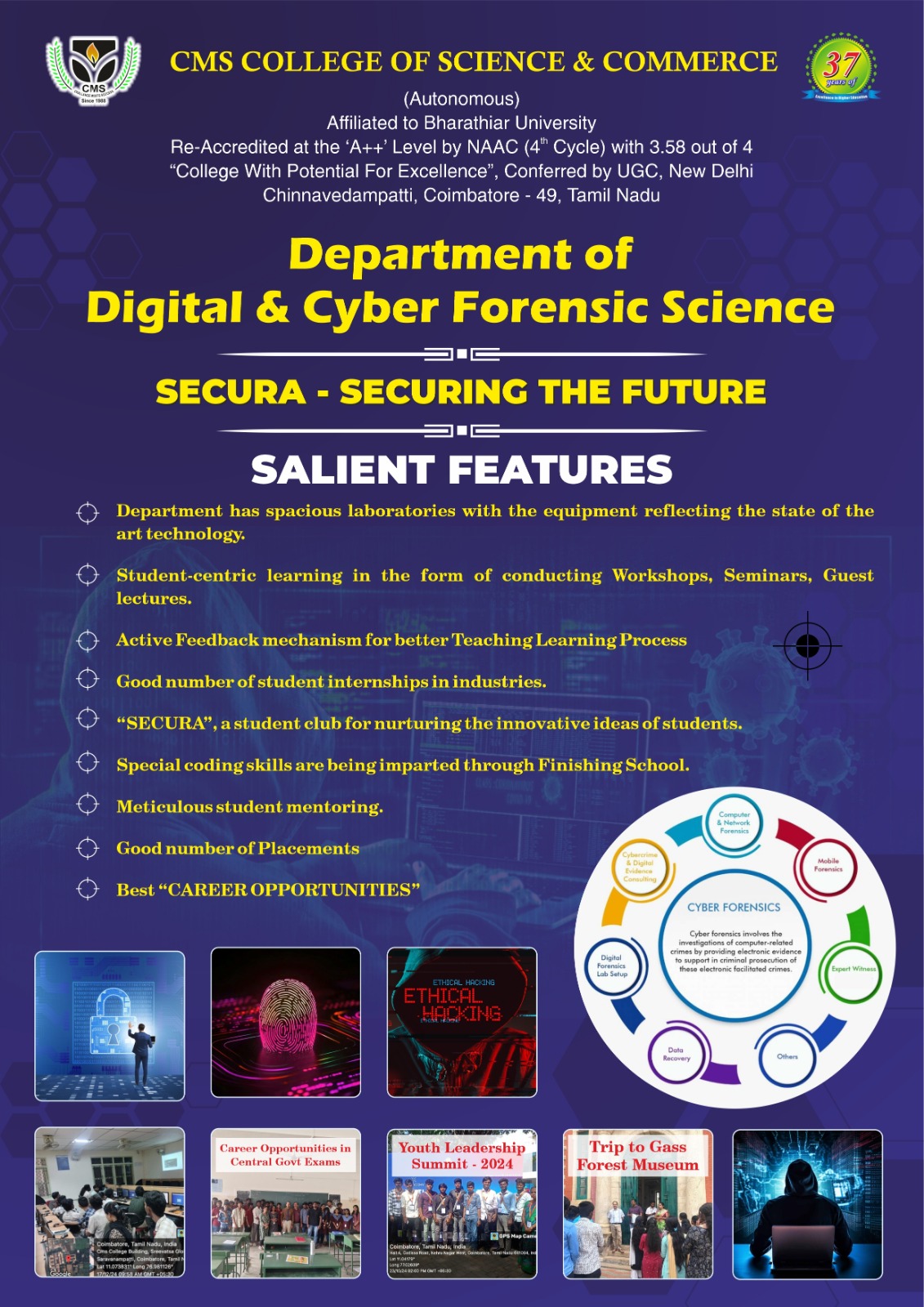
About the Department
Digital and Cyber Forensic Science is a specialized field that focuses on the identification, collection, preservation, analysis, and presentation of digital evidence from computers, networks, mobile devices, and cloud systems to support investigations and legal proceedings.
This course provides students with a strong foundation in cybersecurity principles, cybercrime investigation methods, and forensic tools and techniques used to detect, analyze, and prevent digital attacks. It covers topics such as computer forensics, network forensics, malware analysis, incident response, ethical hacking basics, log analysis, and legal aspects of digital evidence handling.
Students gain practical exposure to forensic tools, secure investigation procedures, and real-world case studies, enabling them to understand how cyber incidents are investigated and how digital evidence is validated and reported. The course prepares learners for careers in digital forensics, cybersecurity operations, incident handling, and cyber law enforcement by combining theoretical knowledge with hands-on investigative skills.
Why Choose This Course at CMS?
1.Academic Excellence
2. Highly qualified faculty
3. State-of-the-Art Laboratories
4. Industry Collaboration
6. Student Development
7. Career Opportunities
8. Community and Outreach
What Will Students Learn?
Key Subjects / Core Learning Areas(UG)
The core learning areas include fundamentals of digital forensics, cybercrime investigation techniques, computer and mobile device forensics, network forensics, and cloud forensics. Students study operating systems, file systems, and data recovery methods to understand how digital evidence is stored and retrieved. The subject also covers cybersecurity principles, ethical hacking, malware analysis, and incident response to understand attack behavior and defense strategies. Legal and ethical aspects such as cyber laws, chain of custody, and courtroom procedures are emphasized to ensure evidence is admissible. Practical training includes forensic tools usage, log analysis, memory forensics, email and web forensics, and report writing. Together, these areas build strong technical and investigative skills required to analyze digital evidence and support cybercrime investigations.
Unique Modules / Special Features
- Practical & Technical Skill Development.
- Legal Admissibility
- Specialized Focus Areas
- High Demand Career Path
Value Added Courses Offered
Ethical Cybersecurity conducted by Ethical Byte, Bangalore .MOU with Ethical Byte, Bangalore
- Duration: 30 hours, as per credit-based structure (2 credits)
- Skill Gained:knowledge in cyber security
Certification:Cyber security
Certification / Add-On Programs
- Certificate in Cyber Security and Cyber Forensic
Career Prospects
Career Opportunities After This Course
Job Roles
• Digital Forensics Analyst
• Cybersecurity Analyst
• Ethical Hacker / Penetration Tester
• Network Administrator
• Network Security Engineer
• Incident Response Specialist
• Malware Analyst
• Forensic Investigator
• Data Recovery Specialist
• IT Auditor / Compliance Analyst
Industries
Ethical Bytes, Cisco, HPE, MICROLAND Powered by Ethical Bytes
Higher Studies Options
- M.Sc. Cyber Security
- M.Sc. Digital Forensics
- M.Sc. Information Security
- M.Sc. Cyber Forensics and Information Security
- M.Sc. Computer Science (Cyber Security specialization)
- Research fellowships
Who Should Choose This Course?
Students who are interested in cybersecurity, digital investigation, and solving technology-related crimes should choose Digital and Cyber Forensic Science. It is suitable for learners who enjoy analyzing data, tracing digital evidence, and understanding how cyber attacks happen. Those who like working with computers, networks, and security tools will benefit from this course. It is ideal for students who have logical thinking, attention to detail, and problem-solving skills. This program also fits candidates who aim for careers in cyber forensics, ethical hacking, and security analysis.
Infrastructure & Facilities
Course-Specific Infrastructure
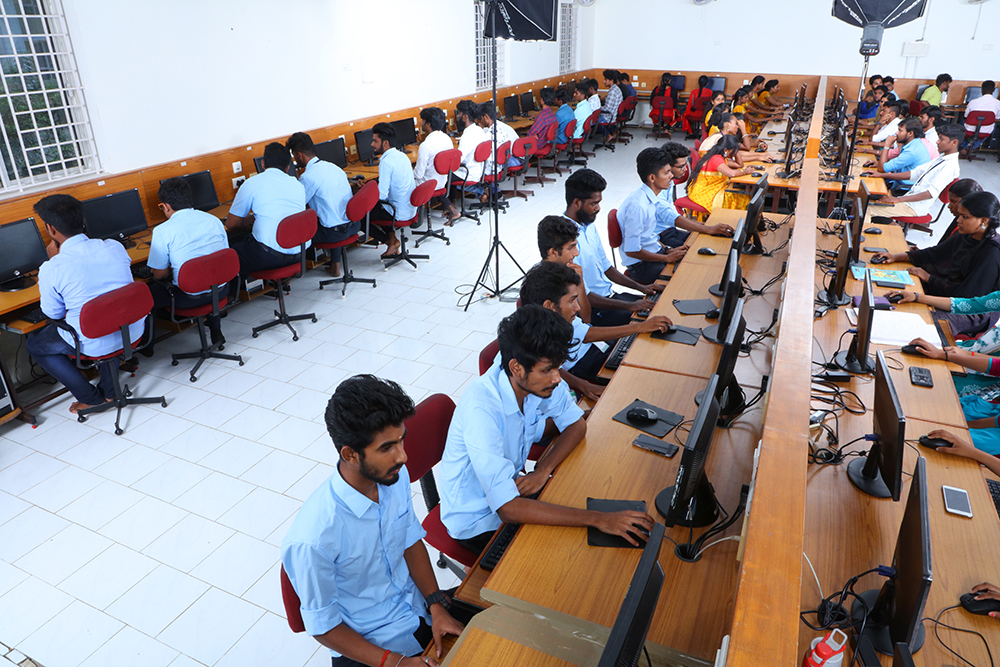
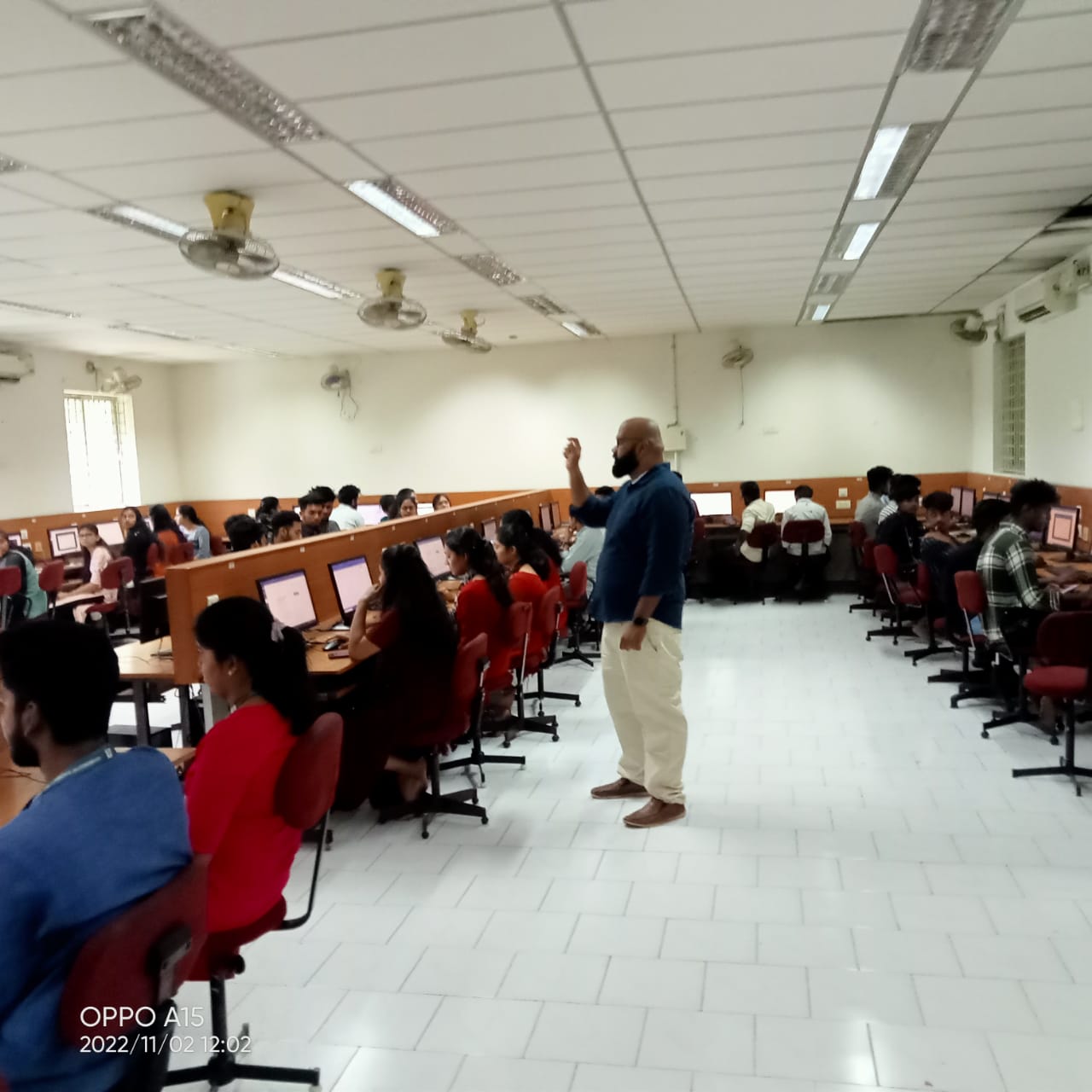
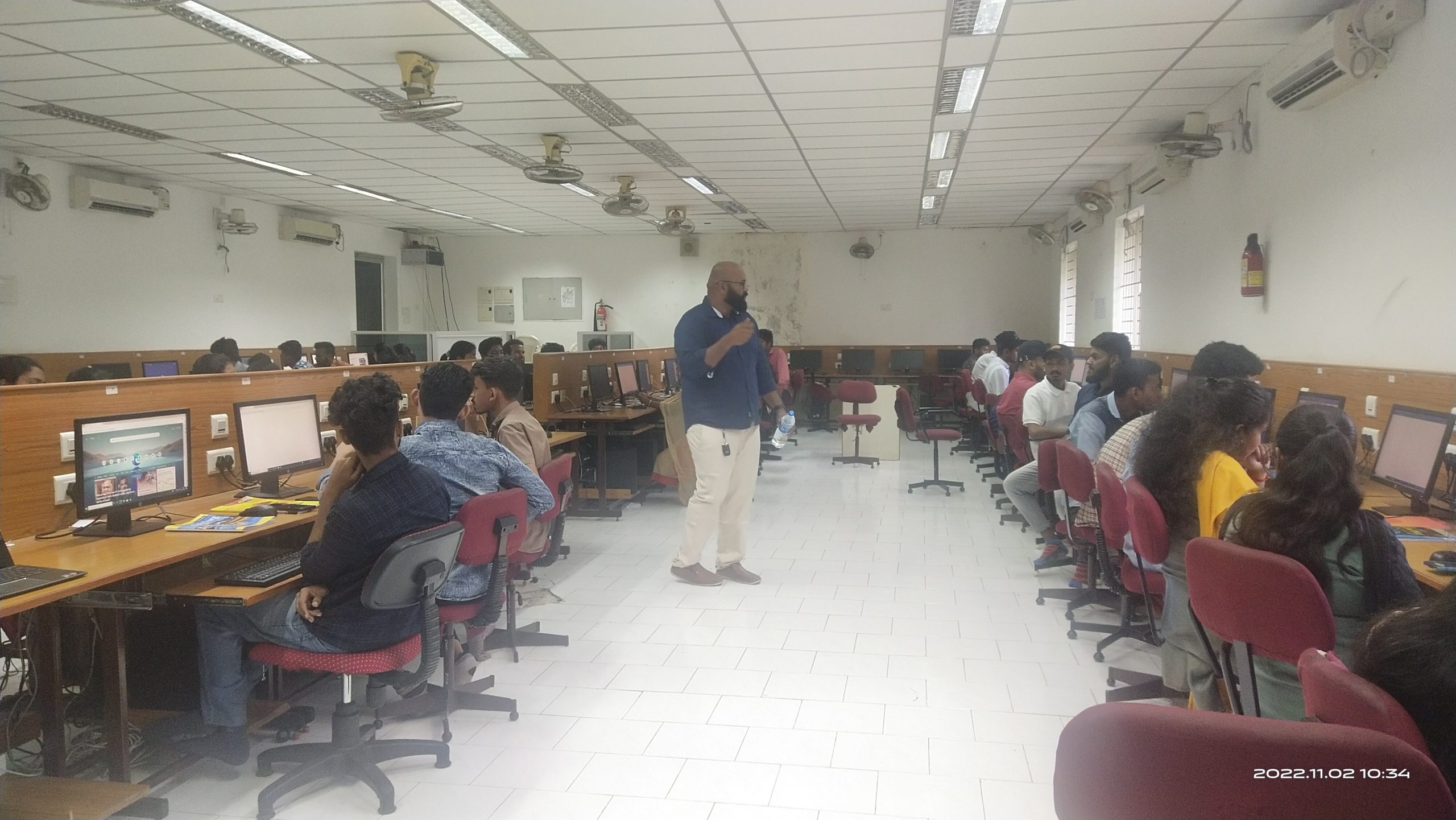
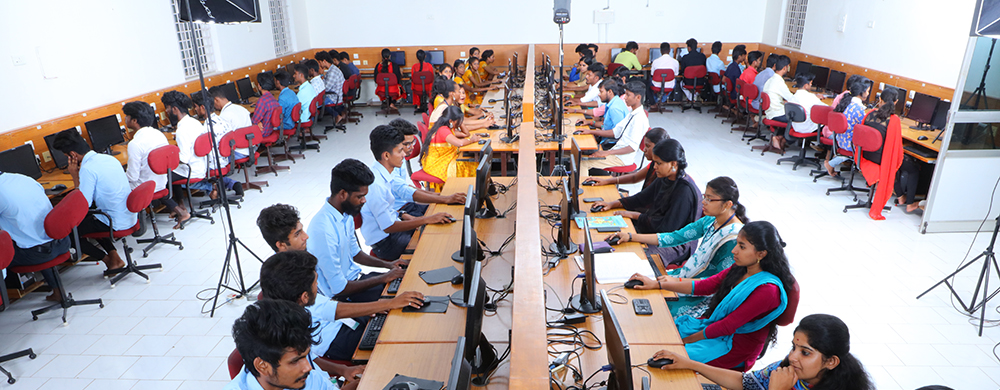
- Well-equipped lab with latest tools and software.
- Library with latest technology books and journals
Placements & Industry Exposure
Placement Support / Internships / Industry Connect
- Industry-oriented training alongside curriculum
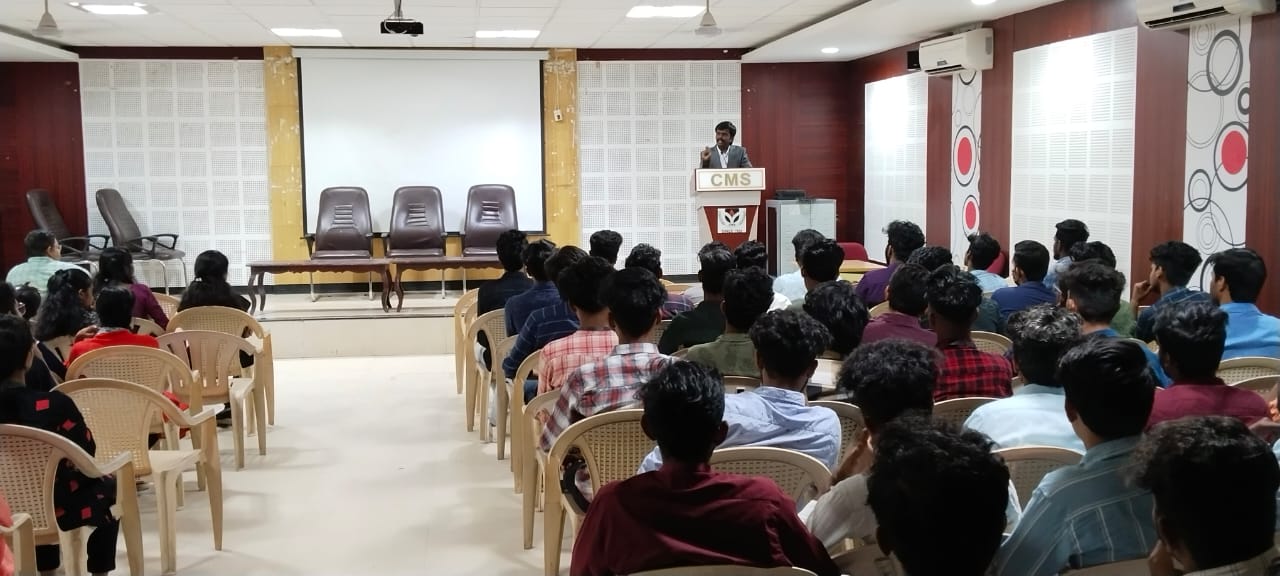
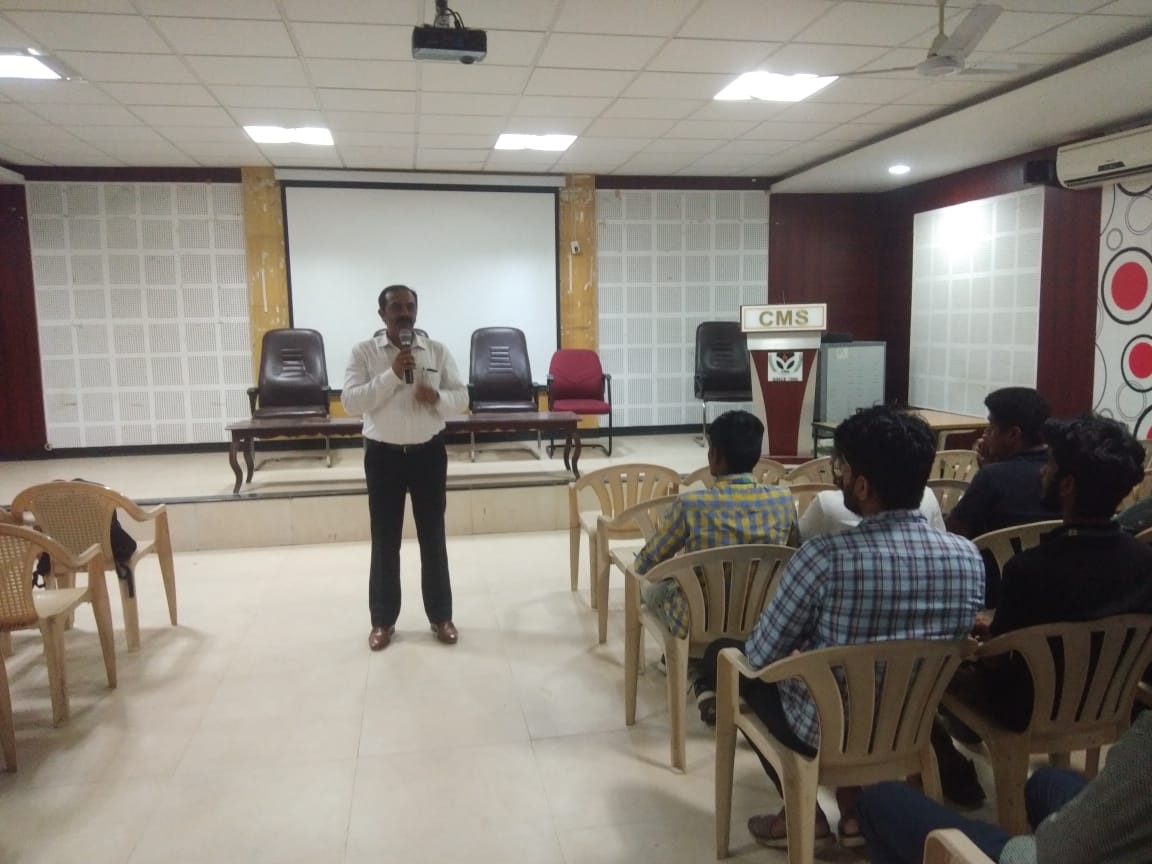
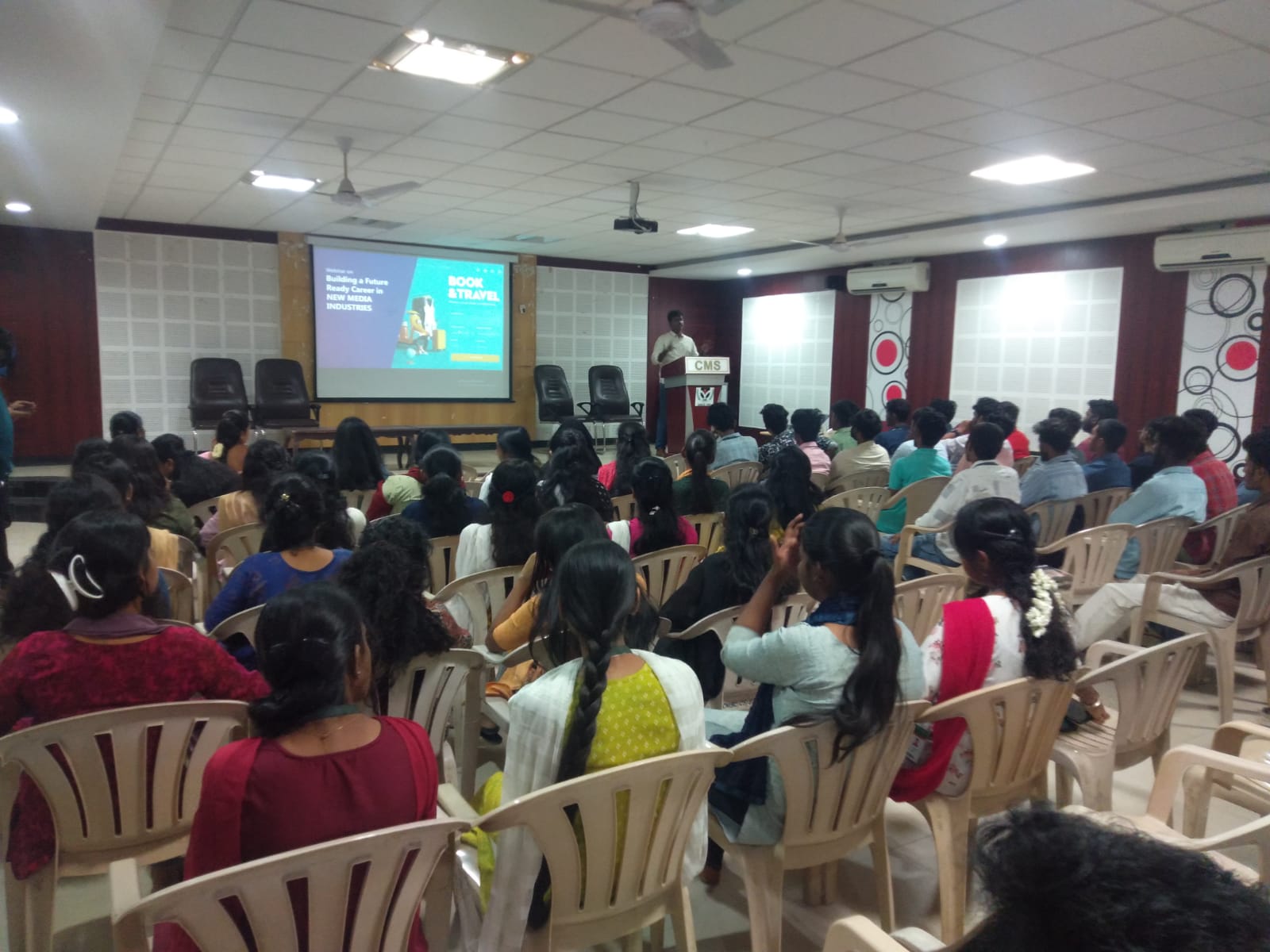
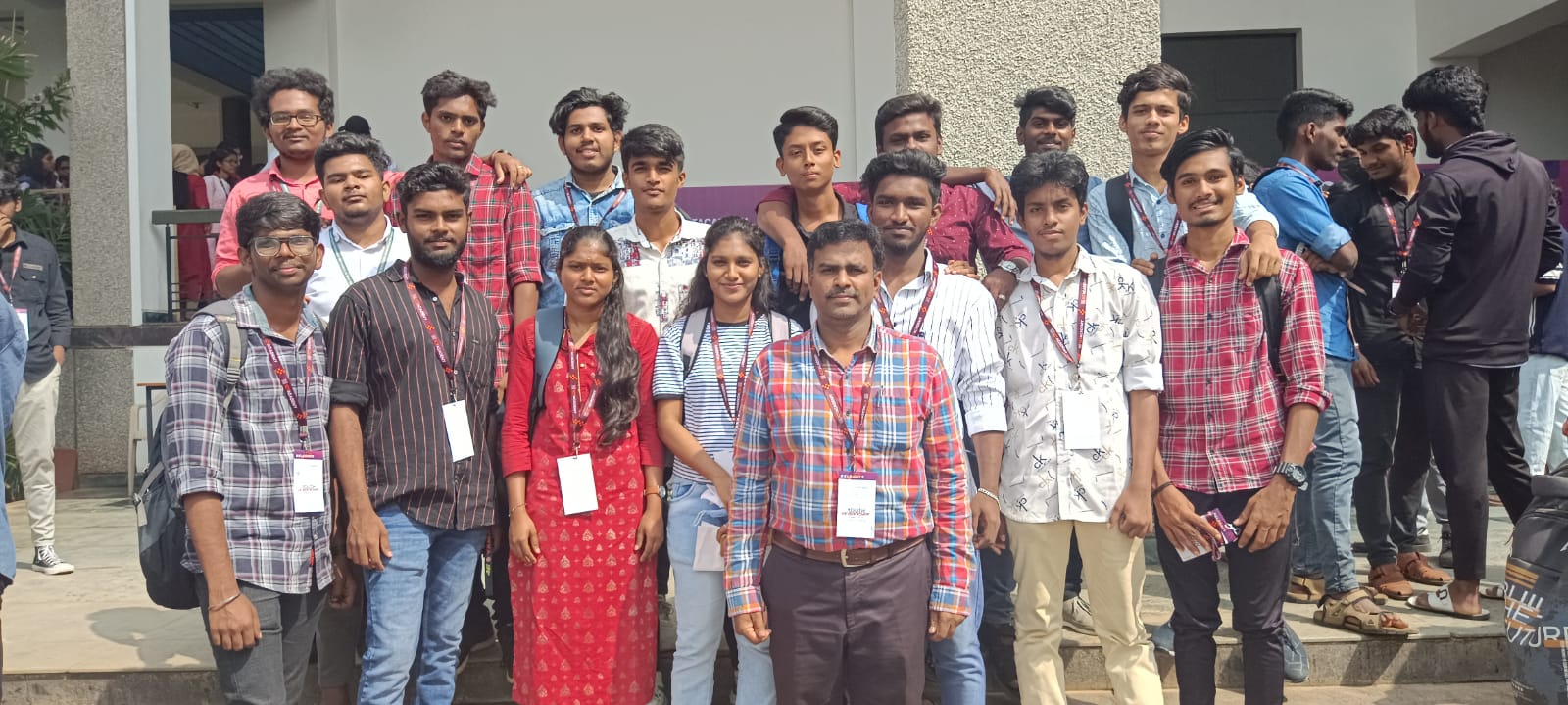
- Industry visits and guest lectures
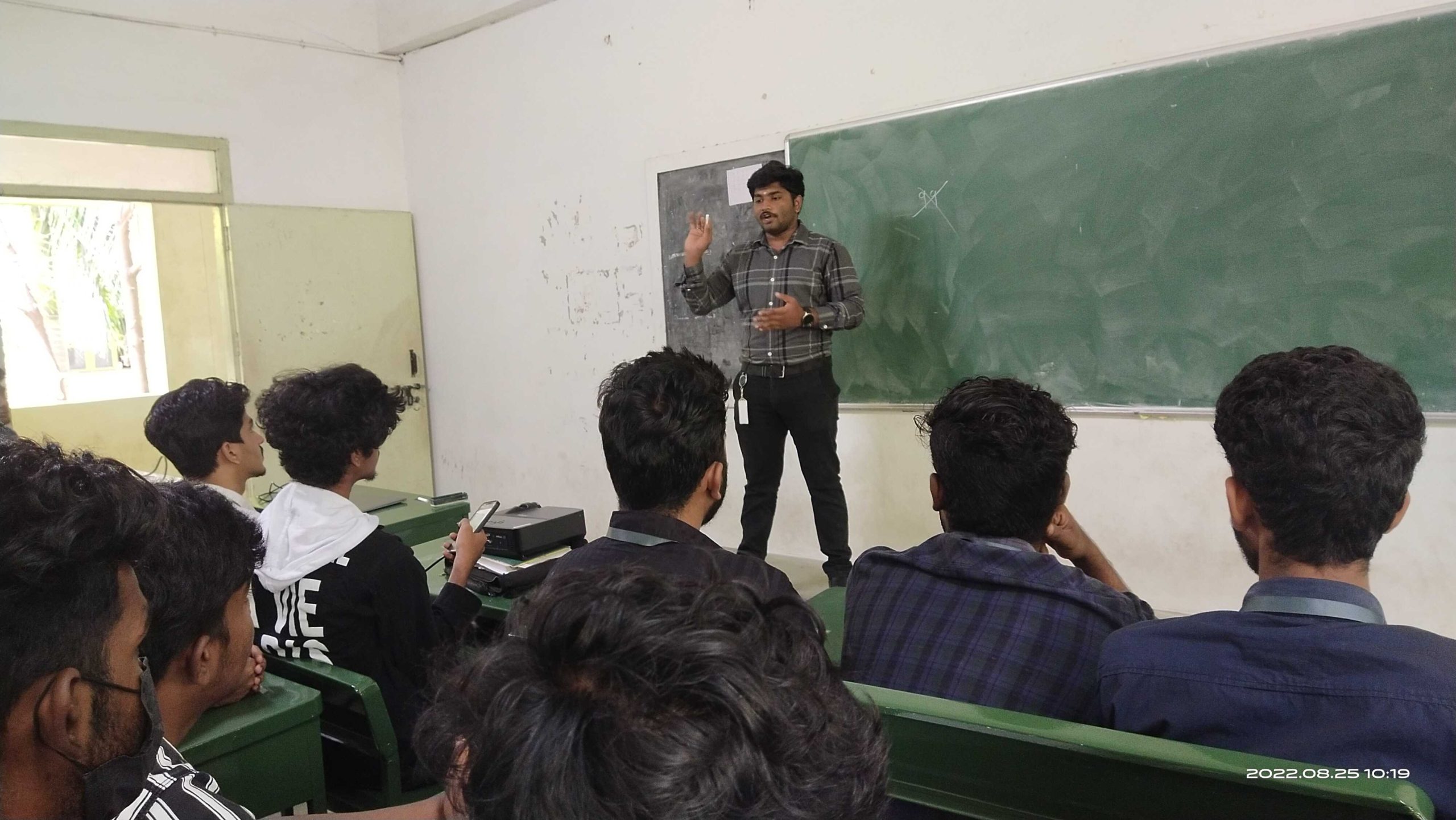
- Workshops by experts from research institutes and industries
- Strong placement support with reputed recruiters
Major Recruiters Include
- Ethical Bytes
- Cisco, HPE ,MICROLANDPowered by Ethical Bytes
Additional Highlights
- Guest lectures and programs conducted by distinguished professionals from the police and legal sectors.
- Offering a Value-Added Course in Partnership with Industry.
- International Conferences and Workshops.
- Hands-on training in digital forensics, including data recovery, cybercrime analysis, and incident response.
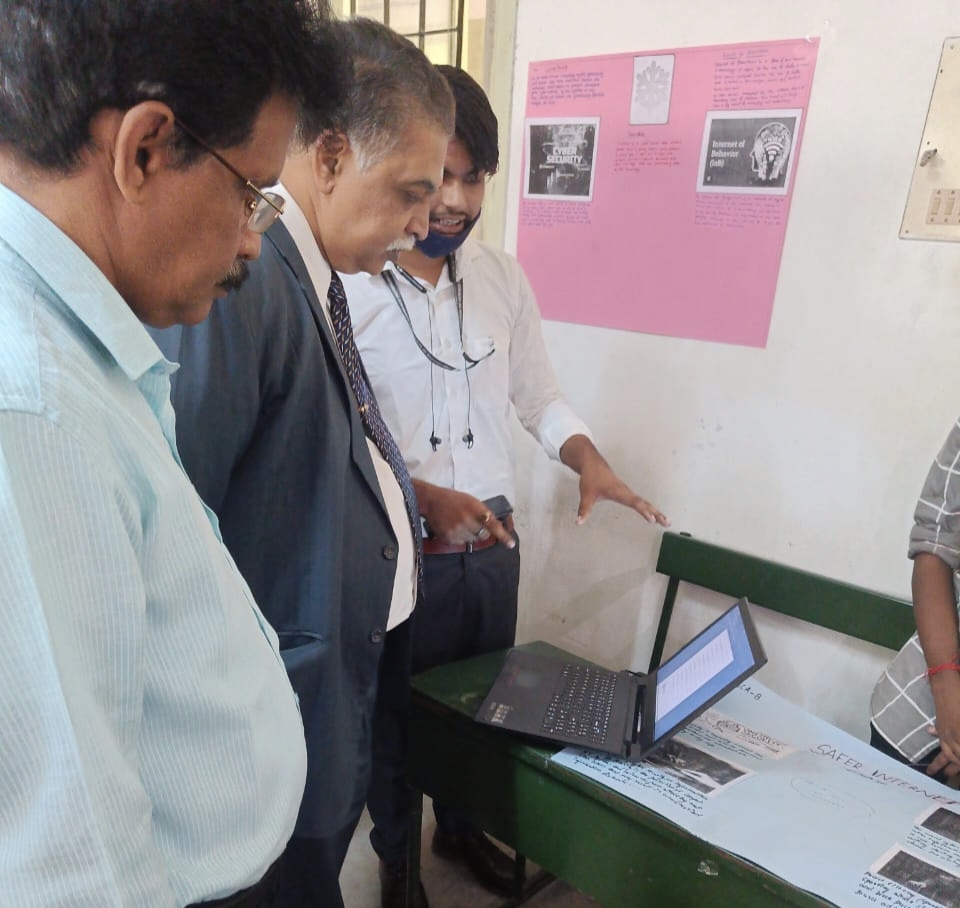
- Field visits to gain practical insights and deepen knowledge through real-world observations and experiences.
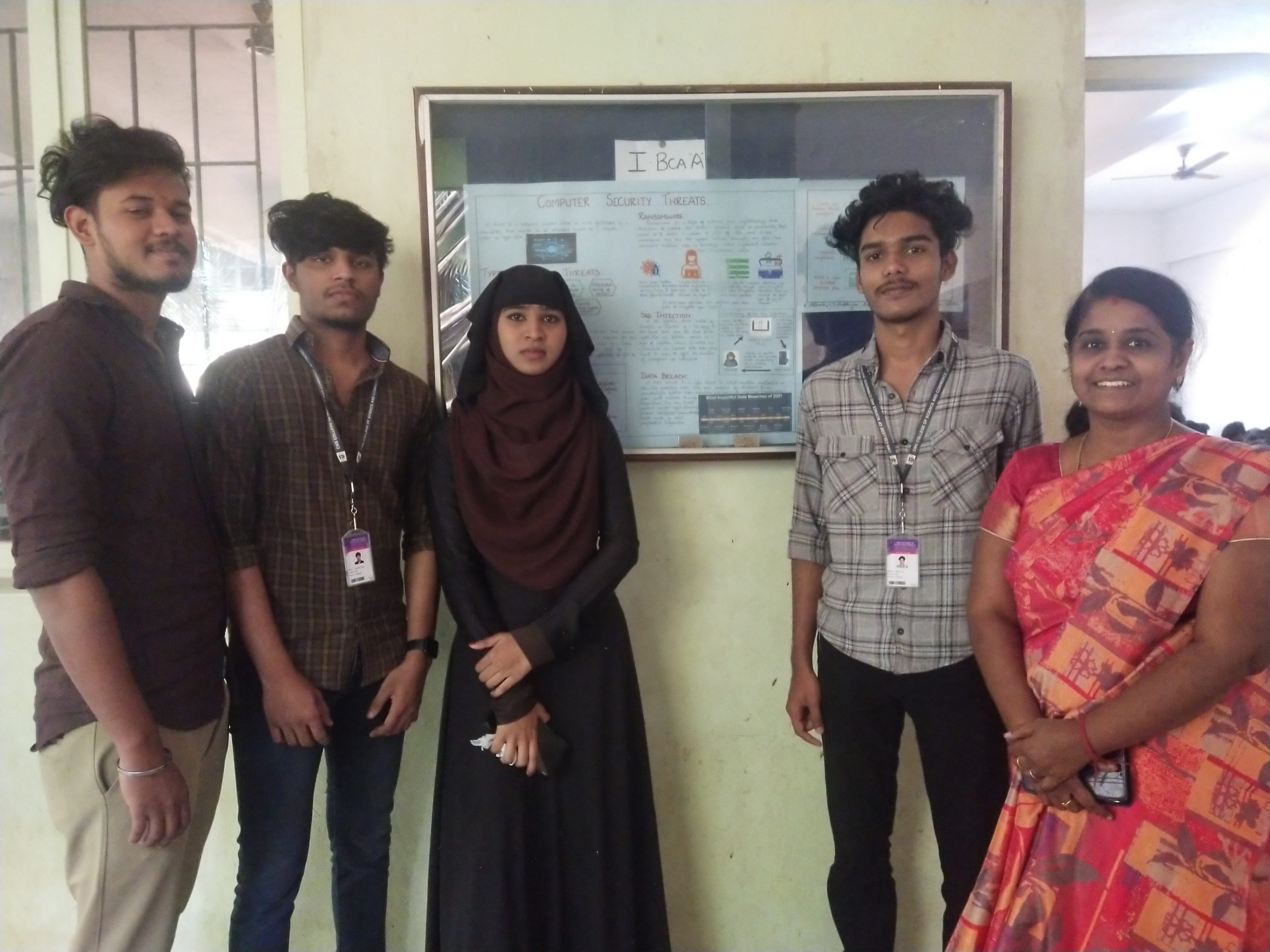
- Leveraging ICT-enabled tools and smart learning techniques.
- MoU with Ethical Byte,
- CMS Cybersecurity Council